
Before Tumor Arrival, the Brain is Already Compromised: 5-HIAA Remotely Reprograms Choroid Plexus Vasculature to Pave the Way for Leptomeningeal Metastasis
HUANG Yang1,2,3, HOU Yifan1,2,3, YANG Jiahui1,2,3, CHI Yudan1,2,3*
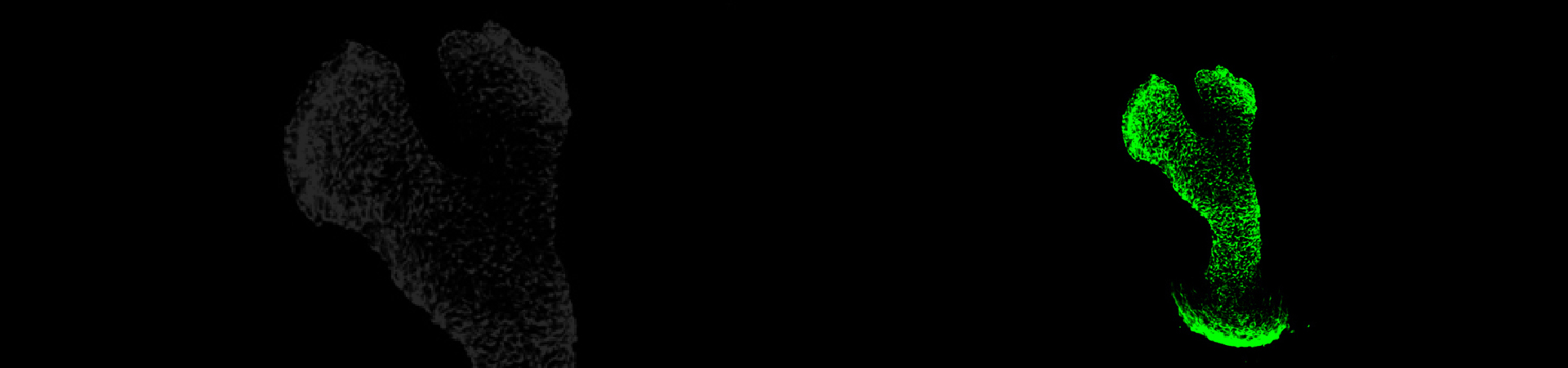
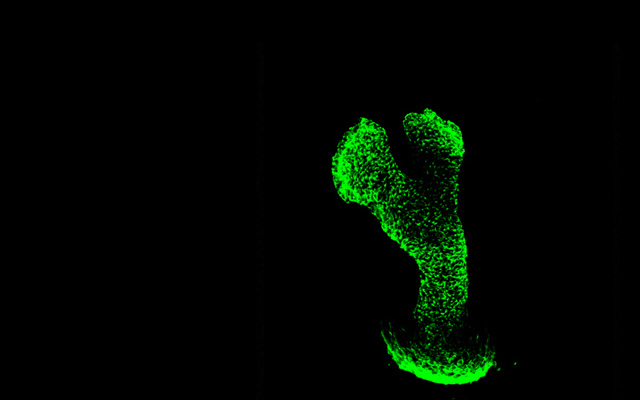
The choroid plexus plays a crucial barrier role during LM (leptomeningeal metastasis), but the mechanisms by which cancer cells regulate the supportive premetastatic niche remain unclear. This study demonstrates that remodeling of the metabolic microenvironment alters the structure and function of choroid plexus blood vessels, thereby disrupting vascular integrity to promote metastatic colonization by tumors. The metabolite 5-HIAA (5-hydroxyindoleacetic acid) is aberrantly increased in the cerebrospinal fluid and choroid plexus. Before cancer cell invasion into the choroid plexus, extracellular vesicles containing 5-HIAA specifically target blood vessels, leading to vascular deformation, abnormal hemodynamics, impaired permeability, and enhanced cancer cell metastasis. Mechanistically, 5-HIAA remodels choroid plexus vessels by activating the aryl hydrocarbon receptor, characterized by aberrant expression of mechanoreceptors and tight junction proteins. Therefore, this study highlights the critical role of 5-HIAA in the formation of a supportive microenvironment and underscores metabolic factors that regulate choroid plexus plasticity, which may help prevent tumor metastatic colonization during the early stages of LM development.

 CN
CN EN
EN